Showing posts with label questions. Show all posts

Sunday, June 9, 2013

June 2013

Mat Marrash


"There is no right or wrong way to shoot, so long as you're having fun."

----------------------------------------------------------------------------------------------------------------------------------

This week we talk to Large Format photographer Mat Marrash from Finley, Ohio. We found Mat among the crew of the Film Photography Project along with Michael Raso. Mat is an advocate for film photography in general, but especially Large Format Photography. Mat holds walk workshops, darkroom sessions and one on one lessons on large format photography. We think thats pretty rad! We asked Mat a few questions about film photography, here they are!

Q: How long haveyou considered yourself a photographer?
A: I pickedup my first camera with serious intent in 2008, so I'd say about five years.

Q: What was yourfirst film camera
A: AHasselblad 500C. One roll of film through that was all it took to get hooked!

Q: What did youlike and/or like about this camera?
A: I likedhow the symmetrical aspect ratio of the square changed composition, not tomention "the look" achieved from a larger piece of film and fastlenses. I also liked the mechanical simplicity of the camera, operatingcompletely free of a battery was quite liberating. Most of all, the camera issmall enough to avoid obtrusion, keeping potential subjects at ease (at leastuntil they hear the mirror "slap").

Q: Do you have afavorite brand of film?
A: Simplyput, no. I have go-to films for different "looks", but I try to stickto a film once I like it, for consistency's sake. I'm a big, BIG fan of KodakPortra 400. It's one of the best modern emulsions made, and the exposure oflatitude of this film is just silly. In B&W, HP5+ is really starting togrow on me (especially in 8x10).

Q: What are yourtop 3 locations that you’ve shot at?
A: Allthree of them are located in Japan, a place I visited on three separateoccassions in my first two years of photography. Top locations include:Itskushima/Miyajima, the Kasugayama Primeval Forest in Nara, Nara, and theEihei-ji Temple in Fukui, Fukui. Plans are underway to revist Japan with mylarge format setup, as it's the place that got me interested in photography tobegin with!

Q: Do you have anytips for people that mainly shoot digital and haven’t yet tried film?
A: There isno right or wrong way to shoot, so long as you're having fun. But if you everfeel like you're shooting too much and progressing too little, give film a try;it may surprise you!

Q: What got youinto shooting large format?
A: Istumbled upon an 8x10 camera sitting in my college professor's office, andasked him what that giant camera was and if I could shoot it. He replied"If you can get some film, I'll show you how."
Needless tosay, I had 8x10 B&W film overnighted to my door and was diving into largeformat a business day later. Had I ever seen a 4x5 between the Hasselblad andthat 8x10, I probably would have stuck to that. But once you see that big,beautiful ground glass, there's no going back! From my first days of shootingthe 8x10, I've made at least 1-2 exposures per week, and have gotten comfortablewith my gear to the point at which all motions are effortless. Knowing gearinside and out is one of the biggest hurdles new shooters need to overcome, butonce done makes the whole experience (not to mention the photos) better.

Q: What would yousay to someone that is skeptical about shooting large format?
A: It's notfor everybody, especially if you're drawn to high action and quick burst rates.Large format forces you to make decisions that a modern, automated camera mayhave been making for you: focusing, metering, composition, focal length, etc.In addition, the time required to setup each shot adds an element ofconcentration photographers with smaller cameras typically don't allowthemselves. Give it a try and see if you like it. The older you go with some ofthe photographic processes, the less they're like modern photography, and themore they're like other traditional art forms.

Q:  Who would you consider an inspiration ofyours?
A: In theworld of black and white, I'm inspired by works from: Edward Curtis, WalkerEvans, Edward Weston, George Tice, and a lesser known fellow, Art Sinsabaugh (a12x20 shooter!). For color photography, the list is long, so I’ll simplify itby saying many contemporary large format shooters.

Q: What are theadvantages of shooting film and why should more people try it?
A: Whilethe grass is always greener on the other side of the fence, film: has way moreexposure latitude, is archive safe, keeps up with changing digital formats, hasamazingly high resolution in medium format and up, forces photographers to slowdown and think about their shots, and cameras can be had incredibly cheapcompared to newer digital bodies. 

Here is a list of the equipment Mat uses on the regular...
Medium Format
Hasselblad 500C + 80mm f/2.8
FPP Plastic Filmtastic Debonair (toy camera)

Instant Photography
Polaroid Automatic Land Camera 420

Large Format
Sinar P2 8x10 + whole mess of 8x10 film holders
Schneider Super Angulon 121mm f/8
Fujinon W 210mm f/5.6
Fujnar 300mm f/4 process lens (no shutter for wet plate)
Schneider Symmar-S 360mm f/6.8

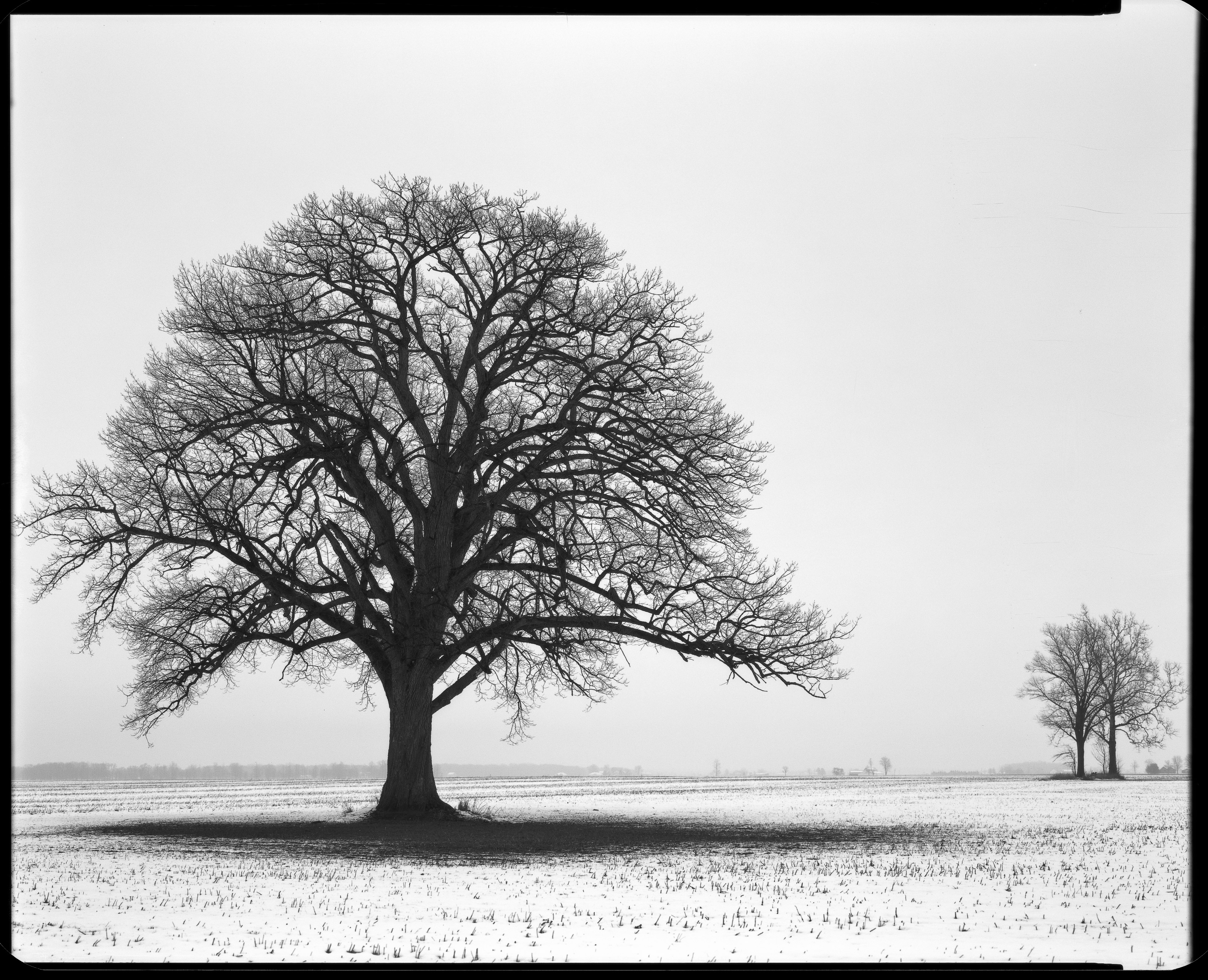
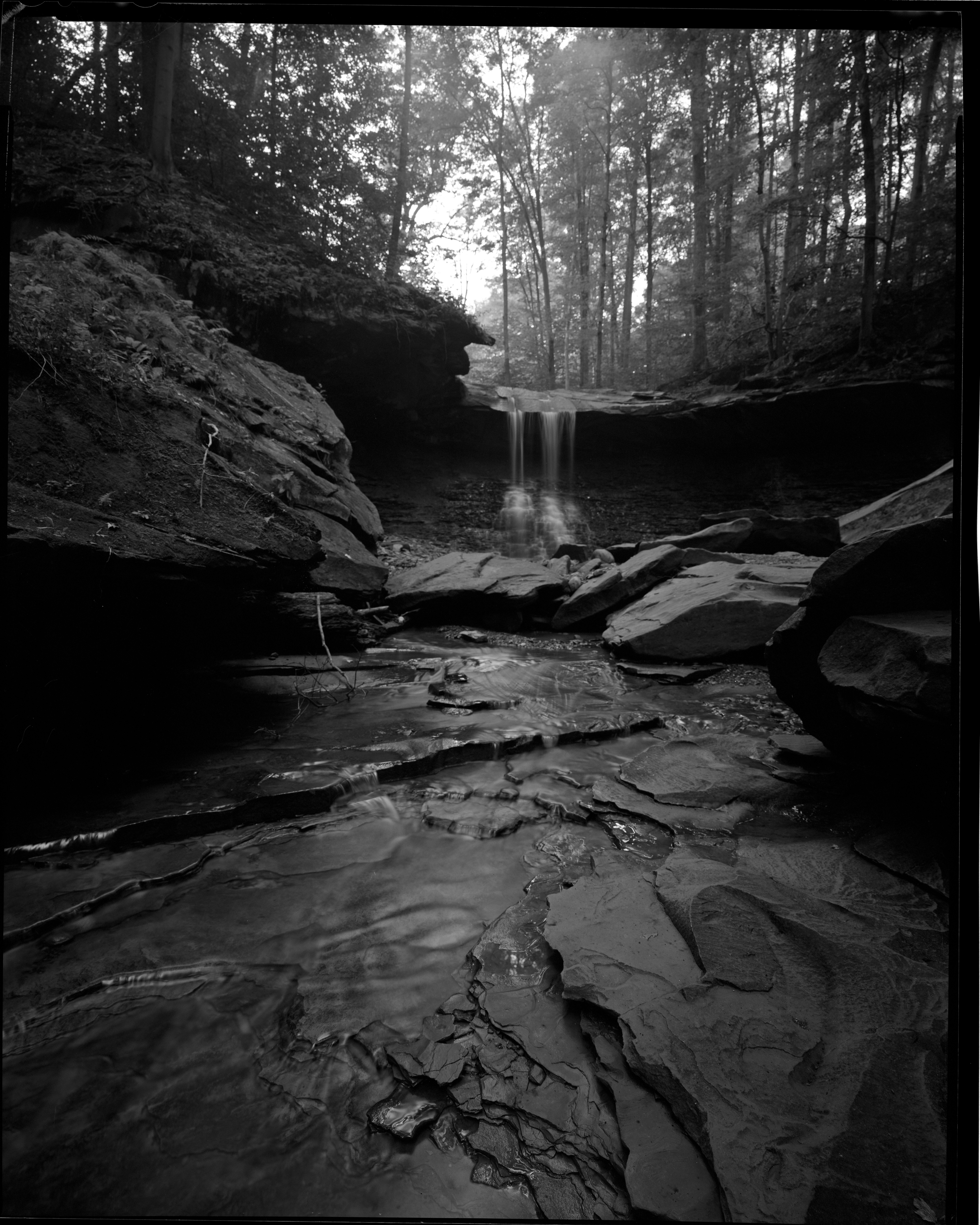
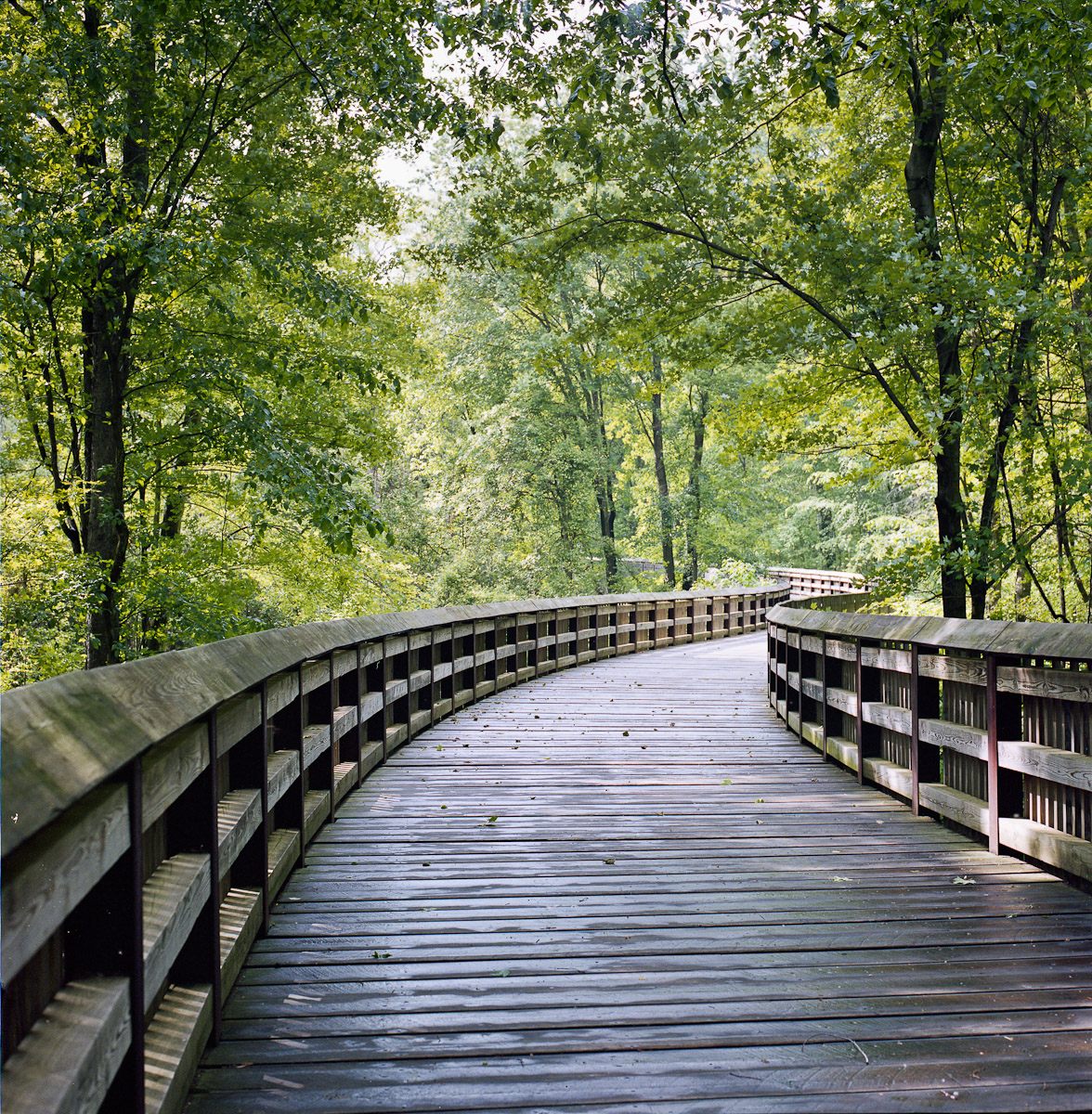
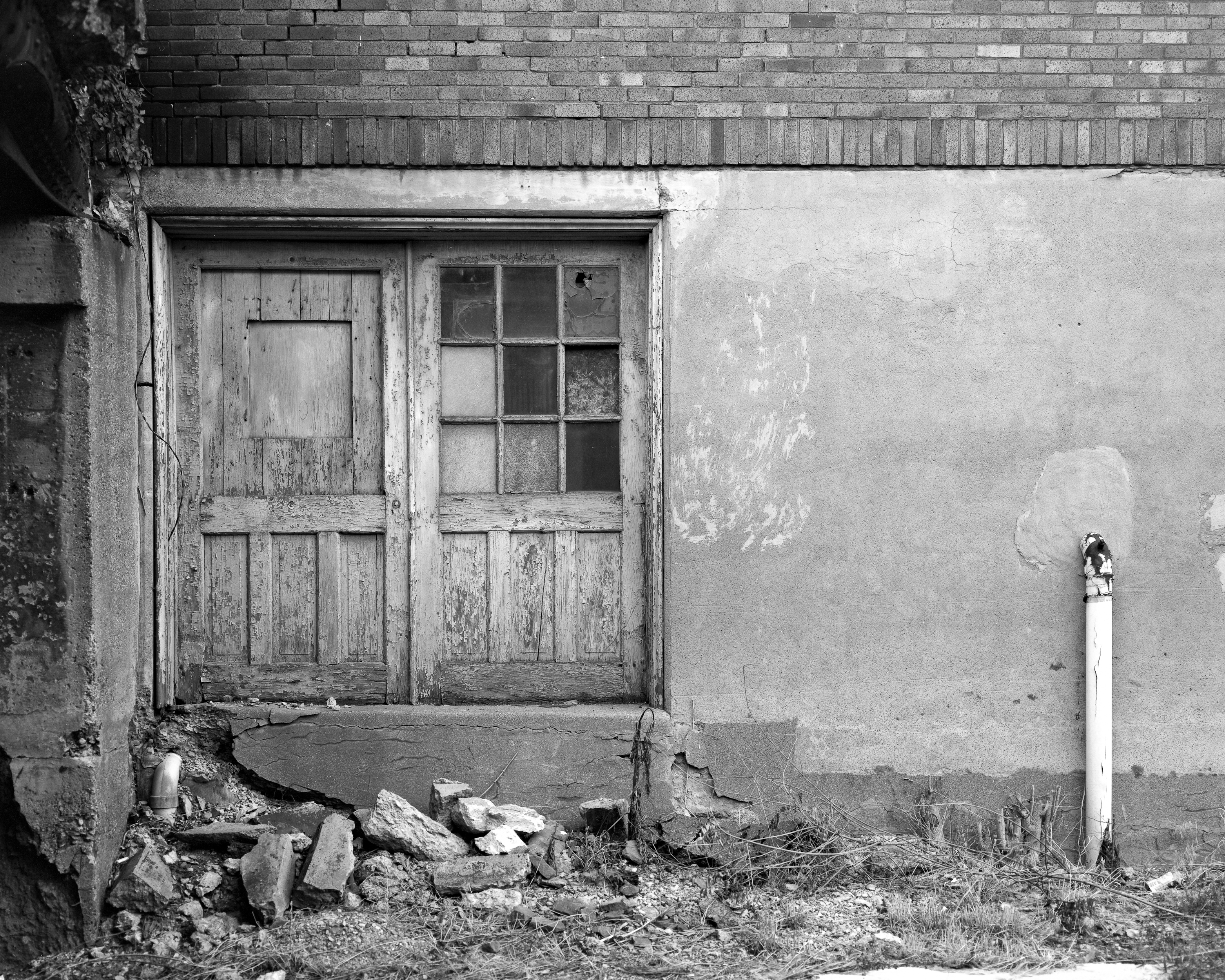
We took the liberty of picking our top ten images by Mr. Marrash, here they are!


We asked our friend Michael Raso, who is also a friend of Mat, to write a small blurb about Mr. Marrash and here it is!

"I met Mat Marrash in October of 2010 at the PDN Photo Expo in New York City. Mat was a listener of The Film Photography Podcast (FPP), which I produce and host. 


You would never know know that Mat was new to shooting film. He started shooting film just a few years ago. Within 12 months his knowledge of the medium was grater than some who have been shooting 40 years (like me)! His knowledge, enthusiasm and charm landed him a co-host spot on the FPP - a spot which he maintains til this day!


A great eye, knowledge of the technical and big heart - Mat is tops!"


- Michael Raso, producer / photographer Film Photography Podcast


Also, photos of Mat by Michael Raso


Give Mat some love on his site


----------------------------------------------------------------------------------------------------------------------------------

Buy the Blue Diana Mini by Lomography


----------------------------------------------------------------------------------------------------------------------------------

Thanks again for reading, and as always, keep shooting
#filmphotography

#filmisnotdead

Facebook

Twitter

Analog Revival is looking for Writers, Interviewers, Crafty people and Editors!
Email us at analogrevival@gmail.com if you're interested


Copyright 2013
Analog Revival


Sunday, February 10, 2013

February 2013

Tuck Chaylor:                 


It's the feeling i get when i see/hear it...
                                          By Jacob Stordahl
---------------------------------------------------------------

Side note from Analog Revival: 

Be safe in the storm everyone! Enjoy a little reading while you're stuck inside.

---------------------------------------------------------------

                   Some may look at Tuck's work and think, "That's too risque" or "It's too exposed", but there is a very artistic meaning behind his work. Although the presence of nude photographs is there, it is not the focus, nor the only type of work Tuck does (see our top ten below for examples). The meaning behind these shots, and his others as well, is to display beauty in its most natural state. Tuck's work is effortless and simple all tied together with a sense of elegance and beauty. The display of the female body in its natural state, is to show the beauty that we all inherit as human beings. Tuck chooses to display all things with a beautiful and natural display.


---------------------------------------------------------------------------------------------------------------------------------

     We interviewed Tuck about his work and opinions about film, here are his reply's...

 Q: What was your first film camera?

 A:I'm sure I had quite a few different film cameras as a child, but the firstfilm camera i purchased for myself would be my Diana F+.  It's a fun little camera.


Q:When did you start considering yourself a photographer?

 A:  I've only recently become comfortable andconfident in the work i produce.  I wouldsay about 6 months prior to this interview.


Q:What do you think are the advantages of film?

 A:  To me there's something about film you can'tget from a digital camera.  It's kind oflike comparing vinyl records to mp3s. They both are amazing in their own way, but there's something aboutanalog that I just moves me.  It's thefeeling i get when i see/hear it.  Plus ithink it takes a bit more skill to create unique and artistic photos on filmversus the digital stuff you can do in photoshop.


Q:Why do you choose to shoot mainly portraits?

 A:I'm not really a very social person.  Idon't do well in big crowds and I don't have a lot of friends, but I stillcrave that connection with people. Shooting portraits gives me a 2 to 3 hour window to connect one on onewith another person.  I like that.  I need that in my life. 


Q:What is the reason and argument behind (what some might consider) risquéportraits?

 A:haha. I live in a small town where there's a church on just about every streetcorner.  A lot of people around here arereally negative when it comes to nudity. I've actually had someone call my work pornography.  I'm just really inspired by the femaleform.  I'm very much influenced bymemories.  I remember once waking up nextto this girl and the sun was coming through the window and highlighting her exposedskin.  The sun traced every curve in away that was so beautiful to me.  I tryreally hard to capture that feeling in my photographs. I think seeing skin isvery important to getting that feeling. I don't think that nudity or sexuality is anything to be ashamed of.


Q:If you could only shoot with one of your film cameras for the rest of yourlife, which would you pick?

 A:Hands down, My Olympus OM-10.  My batterylife last forever, my negatives/photos will outlive me, and It takes the mosthonest photos.  An amazing photographerby the name of Coach Moon (http://coachmoon.tumblr.com) influenced my decisionto purchase this camera and buy the manual adapter for it.  Coach has inspired me more than any otherphotographer out there. 


Q:Do you have a favorite brand of film?

 A:Not really... haha I'm not too picky about what brand of film i shootwith.  I love Impossible Project PX 600Silver Shade Black Frame, Fuji Instax mini & wide, Lomography's Lady Grey,and as far as 35mm film, I'm not too picky. I buy a lot of expired film (it's cheap and can be unpredictable sometimes)


Q:What are the pros and cons of film?

 A:Pros:  there's honesty in film,  It's raw, and as i mentioned before thenegatives will be around after my life expires and that it has a different feelto it.

Cons:  unless you're shooting instant, there's alittle bit of waiting time between taking the shot and seeing the shot andevery shot cost you a little money.


Q:How about the pros and cons of digital?

 A:Pros: Instant gratification. It gives you the chance to see if your photos areexactly the way you want them. Endless possibilities in photoshop.

Cons:I'm not sure if there are any real cons to digital.  I guess the one thing i don't like aboutdigital is the fact that damn near anyone can pick up a digital camera, put itin auto, and take a good photo without knowing anything about their camera.


Q:Are there any tips you would like to give to anyone starting in photography?

 A:I think that if you're wanting to get into photography then you should learnabout your camera, learn about proper lighting, and good composition and afteryou learn all the "rules" to photography take and throw that shitaway and just shoot.  Have fun withit.  Just don't be afraid to makemistakes.  Take photos that make youhappy.

"here'sto all the artists who know their work is just a drop in the ocean, but do itanyway"  P.O.S.

Iwould like to add that I'm not a purist by any means.  I love film and I love digital. I shoot a lotof digital and instant film simply because I like instant gratification. 

----------------------------------------------------------------------------------------------------------------------------------

     Also, here is a list of his film equipment he uses...

Canon T1i 


OlympusOM-10


MamiyaC3


FujiInstax mini


Sigma17-70mm 2.8-4.5


Olympuszuiko 50mm 1.4


adapter to fit my olympus lens on my canon


Here are our top ten photos from Tuck


Check out Tuck's sites and give him some love

Tumblr                           Society 6
 Thanks for reading this month's interview. See you next month.
As always, get out and shoot.


Sunday, January 13, 2013

January 2013

Dan Domme: 
more in touch with the art form...
                        By Jacob Stordahl
---------------------------------------------------------------
Greetings from Analog Revival! We are finally done with our first feature, and it is a good one. So here it is, Exclusive film photographer, Dan Domme, Enjoy!
---------------------------------------------------------------
             When you look at Domme's website, the first thing that comes to mind is the simplicity of it all. This is not to say the layout is easy to navigate, but the simplicity of his work is effortless and beautiful. Every photo is of a very normal and average setting. This is what makes his work so intriguing. The simplicity adds to the emotions of every image. For instance, in Domme's "Dogs" collection, when you view the images, you can feel the excitement and energy, rush over you, as if you were playing fetch or walking that dog in the image. The simple and natural composition of every image make them very real and relate able. This, along with Domme's commitment and integrity to the film medium, makes him one of our favorite photographers, here at Analog Revival. We asked Dan some questions about his experiences and opinions and here is what he had to say...


Q: Do you remember what the very first film camera you ever used was?

A: Of course. When I was a kid, my dad bought me a 110 format Teenage Mutant Ninja Turtles camera. I took it on a lot of field trips in elementary school.  After that, it was a Kodak Advantix point-and-shoot, which was really fun, because you could select the aspect ratio for each picture. They were oddball formats, sure, but I never really cared about the picture-making process until I returned to film again. I should also mention, though, that while I was using these cameras, my grandfather had a Canon AE-1. I didn’t know much, but I understood that it was a much better camera than the ones I was using.

Q: How did you start to get into photography as a career?

A: Well, it’s definitely not a career. In fact, I get almost no money out of photography. I’m one of the lucky ones who aren’t doing this as their primary means of making a living. I’ve never really sold prints, and I only get a paying gig once in a blue moon. I used to lament it, but now I see it as being free to make the photographs that I want to make instead of potentially tarnishing the art by having to churn out a regular product.

Anyway, to answer your real question, this “serious hobby” of mine started after I could finally afford a DSLR kit in 2008. SLR cameras were still the things that set you apart as being serious about photography, at least in my mind. I used it quite a lot and learned my basics—exposure, composition, lighting, focal lengths, and so forth. The one thing I will grant to the digital camera is that it makes it remarkably easy to learn these things when you’re just a novice.

Q: Why did you choose to stick with film instead of “going digital”?

A: Well, after shooting digital for a while, I realized that I wanted all my photographs to have a certain “look” to them, and there was an online tutorial that really nailed one of the looks I was going for. They gave a recipe for what was known as a “Lomo” look, and within five minutes of searching on Google, I had been exposed to cross-processing and cameras like the Holga. I kept shooting digital, but a serious film itch had started. I finally caved and got a Canon EOS 35mm SLR, and my first roll through it was Kodak Elite Chrome, which I promptly had cross-processed. That was the beginning of the obsession, because soon enough I was trying a medium format TLR and ordering the darkroom supplies necessary to start developing my film over the kitchen sink.

Q: What are the advantages of shooting film, instead of digital?

A: Well, there’s something for everyone, really. First off, it can be far cheaper to shoot on film instead of digital. Sure, you have to pay money for every new roll of film and all the processing costs, but the cameras are dirt cheap, and really, there’s no reason to buy more than one. You might spend a couple years looking for that perfect film camera, but it will never become obsolete or have drivers that are incompatible with your computer’s new operating system.

Then, there’s the tangibility factor. Loading film takes time, money, and effort for each new roll. If you’re shooting black and white, then the processing of the negative takes patient (or impatient) minutes spent at your sink of choice. But it pays off in the end, since you get a sheet of negatives that cannot be destroyed by a mere hard drive failure, and photographs that exhibit the degree of effort that went into their creation.

Finally, there’s the work that’s involved. I’d much rather agitate a film tank than adjust a slider in Photoshop. Software has a small role in the film photography process, and my body is grateful that I’m spending less time at the computer. In fact, especially with color film, you can simply choose to ignore the hard work and let a photo lab handle things like color correction and proofing. If you’re shooting for clients, there’s no real difference in your price tag, because what they would have paid for the hours spent slaving away in photo editing are simply charged as a fixed lab processing fee.

I haven’t even touched the more technical aspects like dynamic range and resolution. But film wins there, too.

Q: Out of all of the locations you have shot at, which has been your favorite?

A: I love visiting new cities, and while I love the closer proximity of the metropolis that is New York, I’d say that some of my favorite photographs came from a trip I made to Seattle. The character of the Pike Place Market is something really unique, and I never had a dull moment there.

Q: Do you have a favorite format of film?

A: To be honest, not really. Everything has its pros and cons. 35mm is awfully convenient, and I use it whenever I might want to show the grit of film grain. You’re never really going to have a chance to showcase grain in larger formats. Many 35mm cameras are also excellent for street photography. 120 can yield a step up in terms of quality, and I’m a real sucker for the 6x6 square format, whether the image in question was made with a Holga or a Hasselblad.  4x5 is a completely different animal, but I find it’s the best way to make portraits. The slower, more methodical process of setting up a shot is great for getting the best out of a human subject.

Q: How about a favorite brand of film?

A: Again, it depends. I think for black and white, I’m almost always going to want to shoot Ilford, but Kodak Tri-X will always have a place in my bag as well. Color negative is no contest, because I love each one of Kodak’s professional offerings, Ektar and the two Portra films. Fujifilm gets some of my money, too, since they produce the last E-6 films. (I prefer Provia.) I also shoot the occasional peel-apart instant photo, and Fuji is the last supplier there, too.

Q: If you could only shoot with one of the cameras in your collection as of right now, which would you pick? Why?

A: Probably the Hasseblad 500 C/M. I would still want a lot of versatility, and I know the Hasselblad could handle everything from street photography to fine portraiture. You also get the added bonus of the killer Zeiss optics that makes all the resulting images scream “Hasselblad.” As a matter of fact, the last time I checked, about half of my top photos on Flickr were shot with the Hassy.

Q: Who would you consider an inspiration of yours?

A: For street photography, I consider Garry Winogrand to be the undisputed master. He taught me that it wasn’t just about capturing a specific moment, but revealing scenes from the world in a way where you could inject something personal and produce something, say, witty or sardonic.

The world of portraiture has many more candidates. I’m very fond of the work of Dan Winters, and I consider Chris Buck to be a personal inspiration. Buck in particular, because he’s got a sense of wit—a different flavor than Winogrand’s, but it’s still there. I’m sure there are other portraitists who have influenced me as well, but those immediately spring to mind.

Q: Do you have any tips for people trying to get into photography?

A: Practice is one of the keys to getting successful in terms of making striking photographs. In 2010, I did one of those 365 projects, where you take a photo a day for a full year. I see so many people who try one struggle with it, like each photograph has to have a distinct purpose. As if a photograph could fully encapsulate what it means to live on this particular instance of May 21. Really, though, it’s a project about discipline and practice. If you keep it up, then by the end of that project, you’ll know your equipment inside and out. You’ll have a better understanding of composition and whatnot. And with any luck, you’ll be able to look back on everything and start to see your own personal style evolving.

By the way, that’s another thing: print your photographs. I decided very early on in that 365-photo project that I was going to put everything into one-off photo books. Photos simply aren’t finished until they’re printed on paper. Silver gelatin darkroom prints are one of the best (and simplest) ways to print, but even if it’s getting your scanned negatives printed at your local pharmacy, just put it on paper. Hang it up if you like, or relegate the prints to a binder, but don’t settle for a post on Flickr or Facebook. Like I said, isn’t there some value in having something tangible?

Q: How about people who shoot digital, but haven’t tried shooting film yet?

A: It’s very easy and cheap to get into film. Yes, you have to pay for film and processing, but the cameras are dirt cheap. If you’re used to using a DSLR and want a comfortable transition, one of the later-model Canon EOS film cameras or the automatic Nikons will offer you a forgiving learning curve. If you would rather see some of the more extreme things film can do, get a Holga or, if you can afford it, spring for a cheap old Polaroid camera and some Impossible Project instant film. You’ll get some killer photographs that way. 

Or maybe there are digital shooters out there who think film is somehow inferior. All I can say is that you have to try it before you can dismiss it. I tried it, loved it, and after a while, I ditched the digital camera for good.


Domme included a list of his equipment he uses regularly, and here it is...


Cameras (listed alphabetically):

- Hasselblad 500 C/M
- Holga 120N
- Konica Auto S2
- Nikon FE2
- Olympus Stylus
- Olympus Trip 35                                                                     
- Polaroid 230 Automatic Land Camera
- Polaroid Impulse AF
- Polaroid SX-70 Sonar
- Polaroid Spectra
- Toyo D45M (4x5)
- Vivitar Ultra Wide and Slim
- Yashica Mat-124G

Lenses:
24mm f/2.8 - Nikon AI-S
135mm f/2.8 - Nikon AI-S
80mm Zeiss CF T* - Hasselblad
210mm f/5.6 Schneider-Kreuznach Symmar-S - 4x5 large format
152mm f/2.8 Komura - 4x5 large format

Lights:
Nikon SB-26 (2)
LumoPro 160


These were our top ten photos by Dan Domme in no particular order


Here are some words from others about Dan's work


"[Domme] has fully embraced film photography with such enthusiasm; even to the point of darkroom printing, remarkable.
You did well to freeze the jumping man with such a slow film!"             -Jeremy North


Go check out Dan's work and support him!