Showing posts with label camera. Show all posts

Sunday, June 9, 2013

June 2013

Mat Marrash


"There is no right or wrong way to shoot, so long as you're having fun."

----------------------------------------------------------------------------------------------------------------------------------

This week we talk to Large Format photographer Mat Marrash from Finley, Ohio. We found Mat among the crew of the Film Photography Project along with Michael Raso. Mat is an advocate for film photography in general, but especially Large Format Photography. Mat holds walk workshops, darkroom sessions and one on one lessons on large format photography. We think thats pretty rad! We asked Mat a few questions about film photography, here they are!

Q: How long haveyou considered yourself a photographer?
A: I pickedup my first camera with serious intent in 2008, so I'd say about five years.

Q: What was yourfirst film camera
A: AHasselblad 500C. One roll of film through that was all it took to get hooked!

Q: What did youlike and/or like about this camera?
A: I likedhow the symmetrical aspect ratio of the square changed composition, not tomention "the look" achieved from a larger piece of film and fastlenses. I also liked the mechanical simplicity of the camera, operatingcompletely free of a battery was quite liberating. Most of all, the camera issmall enough to avoid obtrusion, keeping potential subjects at ease (at leastuntil they hear the mirror "slap").

Q: Do you have afavorite brand of film?
A: Simplyput, no. I have go-to films for different "looks", but I try to stickto a film once I like it, for consistency's sake. I'm a big, BIG fan of KodakPortra 400. It's one of the best modern emulsions made, and the exposure oflatitude of this film is just silly. In B&W, HP5+ is really starting togrow on me (especially in 8x10).

Q: What are yourtop 3 locations that you’ve shot at?
A: Allthree of them are located in Japan, a place I visited on three separateoccassions in my first two years of photography. Top locations include:Itskushima/Miyajima, the Kasugayama Primeval Forest in Nara, Nara, and theEihei-ji Temple in Fukui, Fukui. Plans are underway to revist Japan with mylarge format setup, as it's the place that got me interested in photography tobegin with!

Q: Do you have anytips for people that mainly shoot digital and haven’t yet tried film?
A: There isno right or wrong way to shoot, so long as you're having fun. But if you everfeel like you're shooting too much and progressing too little, give film a try;it may surprise you!

Q: What got youinto shooting large format?
A: Istumbled upon an 8x10 camera sitting in my college professor's office, andasked him what that giant camera was and if I could shoot it. He replied"If you can get some film, I'll show you how."
Needless tosay, I had 8x10 B&W film overnighted to my door and was diving into largeformat a business day later. Had I ever seen a 4x5 between the Hasselblad andthat 8x10, I probably would have stuck to that. But once you see that big,beautiful ground glass, there's no going back! From my first days of shootingthe 8x10, I've made at least 1-2 exposures per week, and have gotten comfortablewith my gear to the point at which all motions are effortless. Knowing gearinside and out is one of the biggest hurdles new shooters need to overcome, butonce done makes the whole experience (not to mention the photos) better.

Q: What would yousay to someone that is skeptical about shooting large format?
A: It's notfor everybody, especially if you're drawn to high action and quick burst rates.Large format forces you to make decisions that a modern, automated camera mayhave been making for you: focusing, metering, composition, focal length, etc.In addition, the time required to setup each shot adds an element ofconcentration photographers with smaller cameras typically don't allowthemselves. Give it a try and see if you like it. The older you go with some ofthe photographic processes, the less they're like modern photography, and themore they're like other traditional art forms.

Q:  Who would you consider an inspiration ofyours?
A: In theworld of black and white, I'm inspired by works from: Edward Curtis, WalkerEvans, Edward Weston, George Tice, and a lesser known fellow, Art Sinsabaugh (a12x20 shooter!). For color photography, the list is long, so I’ll simplify itby saying many contemporary large format shooters.

Q: What are theadvantages of shooting film and why should more people try it?
A: Whilethe grass is always greener on the other side of the fence, film: has way moreexposure latitude, is archive safe, keeps up with changing digital formats, hasamazingly high resolution in medium format and up, forces photographers to slowdown and think about their shots, and cameras can be had incredibly cheapcompared to newer digital bodies. 

Here is a list of the equipment Mat uses on the regular...
Medium Format
Hasselblad 500C + 80mm f/2.8
FPP Plastic Filmtastic Debonair (toy camera)

Instant Photography
Polaroid Automatic Land Camera 420

Large Format
Sinar P2 8x10 + whole mess of 8x10 film holders
Schneider Super Angulon 121mm f/8
Fujinon W 210mm f/5.6
Fujnar 300mm f/4 process lens (no shutter for wet plate)
Schneider Symmar-S 360mm f/6.8

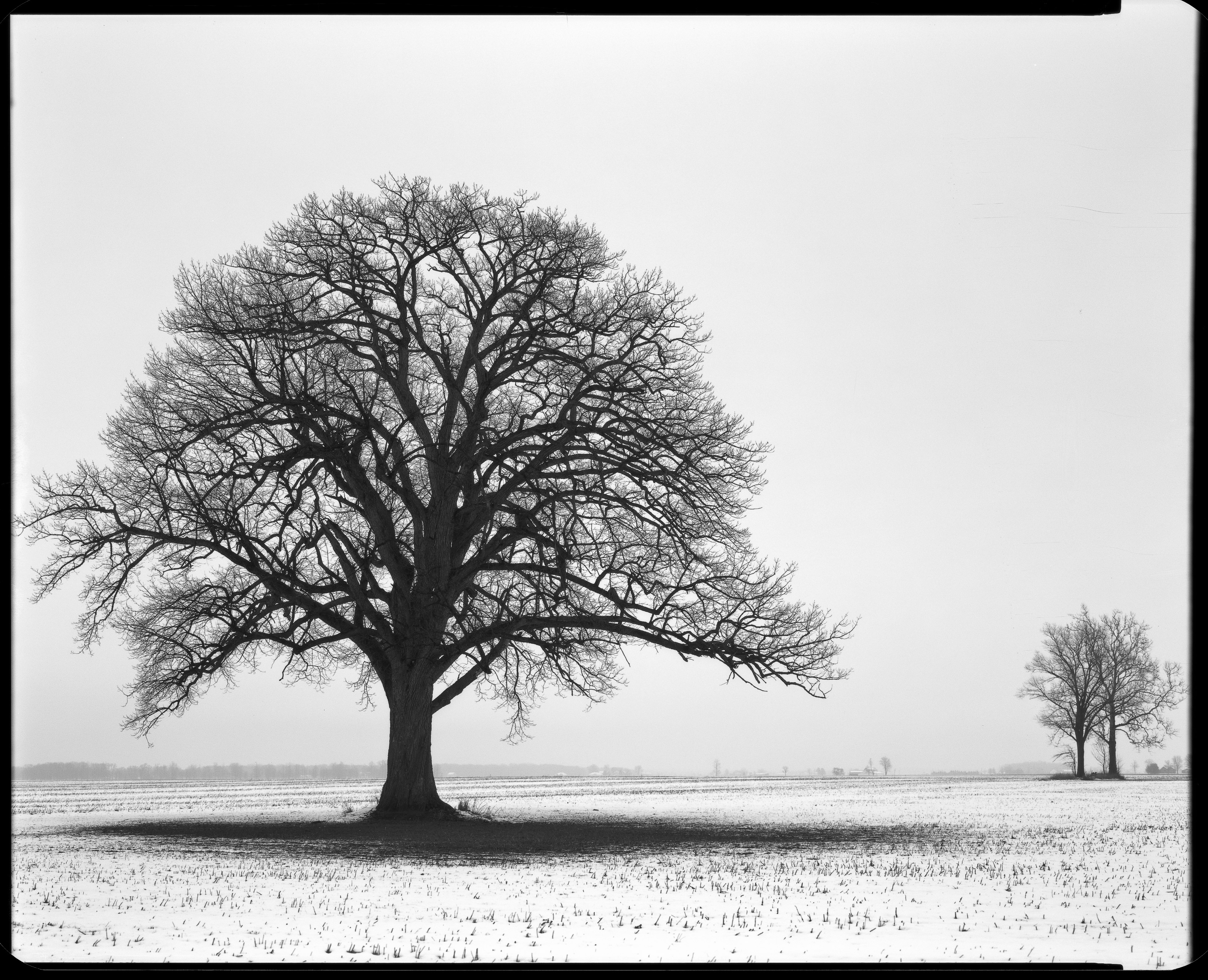
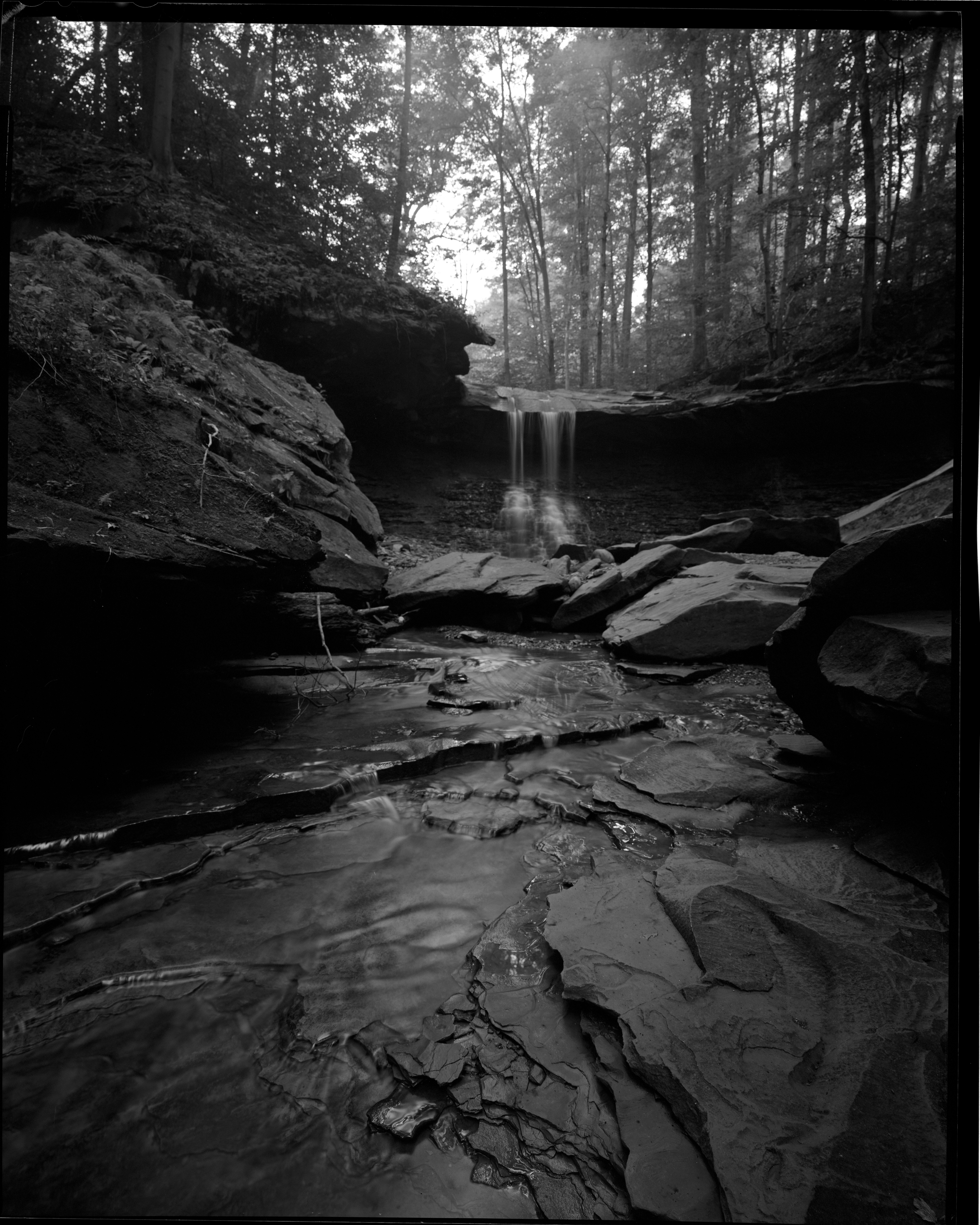
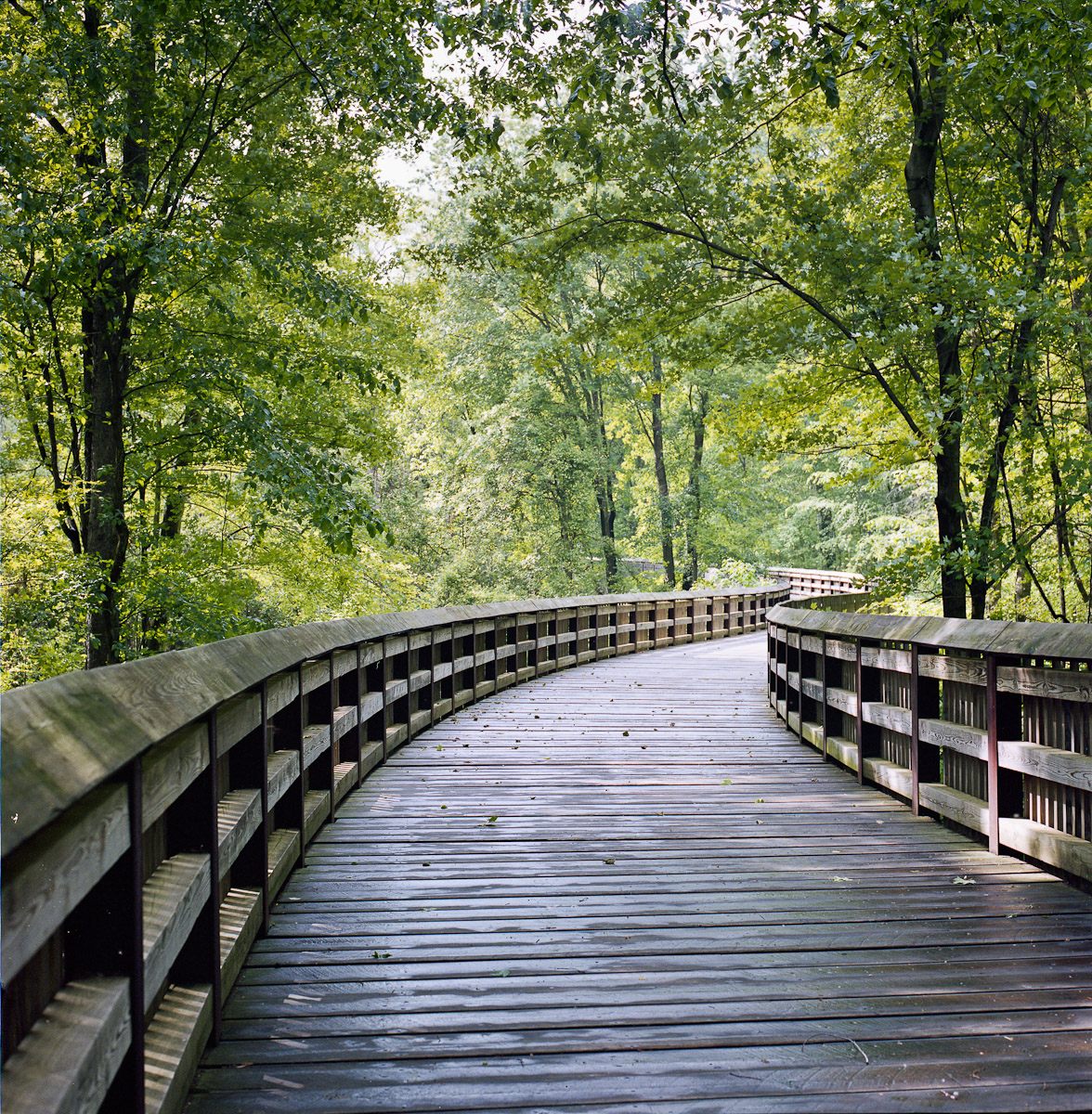
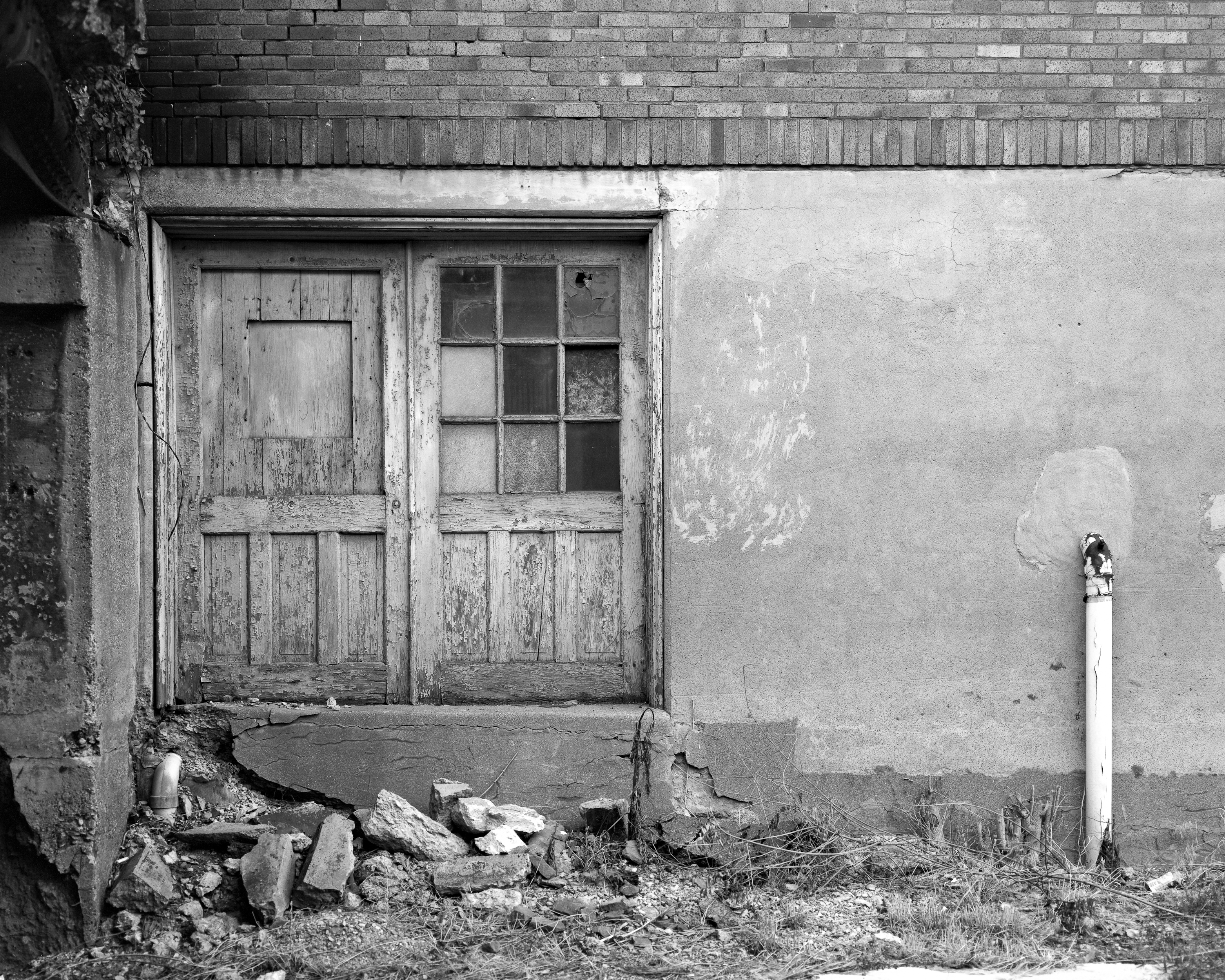
We took the liberty of picking our top ten images by Mr. Marrash, here they are!


We asked our friend Michael Raso, who is also a friend of Mat, to write a small blurb about Mr. Marrash and here it is!

"I met Mat Marrash in October of 2010 at the PDN Photo Expo in New York City. Mat was a listener of The Film Photography Podcast (FPP), which I produce and host. 


You would never know know that Mat was new to shooting film. He started shooting film just a few years ago. Within 12 months his knowledge of the medium was grater than some who have been shooting 40 years (like me)! His knowledge, enthusiasm and charm landed him a co-host spot on the FPP - a spot which he maintains til this day!


A great eye, knowledge of the technical and big heart - Mat is tops!"


- Michael Raso, producer / photographer Film Photography Podcast


Also, photos of Mat by Michael Raso


Give Mat some love on his site


----------------------------------------------------------------------------------------------------------------------------------

Buy the Blue Diana Mini by Lomography


----------------------------------------------------------------------------------------------------------------------------------

Thanks again for reading, and as always, keep shooting
#filmphotography

#filmisnotdead

Facebook

Twitter

Analog Revival is looking for Writers, Interviewers, Crafty people and Editors!
Email us at analogrevival@gmail.com if you're interested


Copyright 2013
Analog Revival


Sunday, May 12, 2013

May 2013

Jason Hughes


Happy mothers day to all!
This week we're going "across the pond" to talk with our friend Jason Hughes from the UK! We met Jason on twitter and we're so excited to share this article with you. 


Q: When did you start considering yourself a photographer?
A: I think it was when I had my first SLR, at the age of 11. Prior to that, I was a kid with an Instamatic (and a Box Brownie) taking snaps of my family and cat. The SLR – a Zenith EM – was a “proper” camera which allowed me to change lenses, use extension tubes, filters etc. and I taught myself all about shutter speeds, apertures and metering for a scene using the built-in meter. Incidentally, the meter on the EM was not through the lens, so I also had to learn about compensation for filters and the extension tubes. I loved that camera, and wish I’d kept it, because it taught me so much about the fundamentals of photography which I rely on to this day. Alas, I couldn’t progress to the Practica MTL3 without part-exchange.
Q: What is your first memory of film photography?
A: When I was nine we were on a family holiday in Wales where I met my paternal grandfather for the first time (that I can remember, at least). He bought me a little 126-format camera and a yellow Kodak box containing a black and white film 126 cartridge. This was hugely exciting for me! Of course I had seen photographs but the ability to create them had been beyond my ability – until then. I still have those first prints upstairs and I remember the feeling of elation and simultaneous disappointment when I first saw them because it was obvious that the camera had a pretty bad light leak.  Even so, I had prints and negatives, all of my own. Negatives were a pretty new experience for me because my family didn’t take many pictures; in fact, my earliest memory of the making of photographs was when my father came home with a Polaroid, took a picture of us and then, as if by magic, showed us the result a couple of minutes later. If Polaroid instant counts as film photography then that’s my earliest memory but if it’s traditional negative-print, then it’s my first 126 leaky light box.
Q: Why do you shoot film?
A: Good question. I don’t just shoot film and, in fact, I possibly take more digital images than film these days. There are two main reasons I do still use film, though: firstly, because there’s a look to film that I really like and which can’t be truly replicated with digital. There’s a certain peculiarity in trying to replicate the look of film with digital captures, despite the many software packages that aim to do so; why not just go and shoot film in the first place? OK, it is understandable because digital capture is so convenient - but this alone says a lot about the aesthetic properties of film, I think. The second reason I still shoot film is because it’s what I grew up with. It’s a physical thing; both the use of the film camera and having something tangible afterwards. Digital instant gratification is all very well, but with film there’s still the excitement and anticipation of waiting for the results.
Q: Do you have a favorite format of film?
A: 35mm, mainly because that’s really the only format I’ve used, apart from the aforementioned 126 many years ago and, briefly, 120 for an old Brownie that I had before I had the Zenith EM.
Q: How about a favorite brand?
A: I’ve got a soft spot for Ilford but I think, if I have to choose one brand, it has to be Fuji. I love the look of Neopan 400 and Provia is my slide film of choice.
Q: What have been your favorite locations to shoot?
A: I think my top two would be China and Paris. The former was so culturally different to anything I’d experienced before and the latter was my first proper outing with the Leica M7. I’d not used a rangefinder before and I was surprised that the results turned out to be not as “experimental” as I’d expected; a surprisingly high proportion of keepers. Other than those, I don’t have a particular favourite. It may be a cliché but the best locations are the ones where you have a camera.
Q: Who would you consider an inspiration of yours?
A: Don McCullin comes foremost to mind. Many people may connect his name to war photography but he did so much more than that. I love his book “In England”, for example. Also, James Ravilious, whose photographs are often based around Devonshire farms and countryside. These strike a chord with me because I’m from Devon, originally, and so there’s a sense of familiarity and simplicity in his images.
Q: Is there a format of film you haven’t tried that you would like to?
A: I wouldn’t mind trying medium format; 645 or 6x6, specifically. One day I’ll spot a medium format camera going cheap in a shop window and temptation will finally get the better of me!
Q: Why should others try film?
A: Anyone who is into photography should try film at least once. Of course, most people of a certain age will have done, but there are so many people taking pictures these days who started with digital and don’t know anything else. Digital hasn’t superseded film; it’s an alternative that is undoubtedly more convenient but, in my opinion, can be less ultimately satisfying. Using film slows you down and, I believe from personal experience, can produce higher quality results that have a certain look that cannot be truly replicated in the digital domain. I’d say that many, if not most, of the images I’m most pleased with are from film.
Q: Do you have any tips for photographers just starting out on film?
A: Take your time. Learn the basics, slow down and even process your own if you can (no darkroom necessary!) for the ultimate in the traditional analogue experience. And, you never know, you may even prefer the “film look” to digital capture.

---------------------------------------------------------------------------------
Here's a look at Jason's Film Equipment
Nikon F100
Nikon F3


With various Nikor Lenses


Leica MP


Leica M7


both usually with a Summicron 35 ASPH

Jason also doesn't use flashes or lights. He uses natural lighting in his work.

~

Now, here are our top ten photos shot by Mr. Hughes


Thank you for reading and as always
Give Jason some love on his site
--------------------------------------------------------------------------------------------------------------
Check out this awesome book on shooting film by our friends at FILMISNOTDEAD


--------------------------------------------------------------------------------------------------------------

Copyright 2013
Analog Revival

Thursday, May 2, 2013

FILM NEWS: Kodak to sell film business for $2.8 billion deal

Here is an article from our friends at PetaPixel about the recent news from Kodak 
---------------------------------------------------------------------------------
Kodak to Sell Its Camera Film and Imaging Businesses in $2.8 Billion Deal kodakfilm
We reported last August that Kodak was looking to sell its camera film business along with a number of other core businesses. Well, the company has now succeeded.
Kodak announced today that it has reached an agreement to sell off its two remaining imaging divisions — which includes its photographic film business — in a major deal worth $2.8 billion.

The company is handing over control of its Personal Imaging and Document Imaging divisions to the United Kingdom’s Kodak Pension Plan (KPP), which is the bankrupt firm’s largest creditor.
In addition to settling $2.8 billion in obligations with KPP, Kodak will be receiving $650 million in cash and other assets in exchange for the divisions.
Kodak to Sell Its Camera Film and Imaging Businesses in $2.8 Billion Deal kodakdev
Kodak first began selling film, chemicals, and paper in 1889
The Personal Imaging division includes over 100,000 Kodak kiosks located around the world, photographic paper, photographic film, and souvenir photo products. The Document Imaging division includes things like scanners and related software/services.
Kodak CEO Antonio Perez says that this deal will allow the company to emerge from bankruptcy as it transforms into a commercial printing company.
There’s no word yet on what the future holds for Kodak’s film and paper lines, which are still used by countless photographers around the world. The company does say that the deal will provide financial stability for the businesses that will be “beneficial to those businesses’ employees, customers and partners.” That’s a silver lining for film photographers who don’t want to see Kodak films disappear.


Read more at http://petapixel.com/2013/04/29/kodak-to-sell-its-camera-film-and-imaging-businesses-in-2-8-billion-deal/#Y4UsiO1b6DdyKyM1.99 

----------------------------------------------------------------------------------------------------------------------------------
Thank you for reading
Like us on Facebook here
Follow us on twitter here 


Copyright 2013
Analog Revival

Sunday, April 28, 2013

What's in Your Camera Bag No. 3

What's in your Camera bag?
Hello readers! This week (kind of last minute) we decided to have one of our own writers compose an article on his film equipment. Here it is!
------------------------------------------------------------------------------------------------------------------------------

Hello Analog Revival! My name is Jacob Stordahl and I am a film photographer from Minnesota. In this article I will show you what I will usually bring on a regular shoot. 

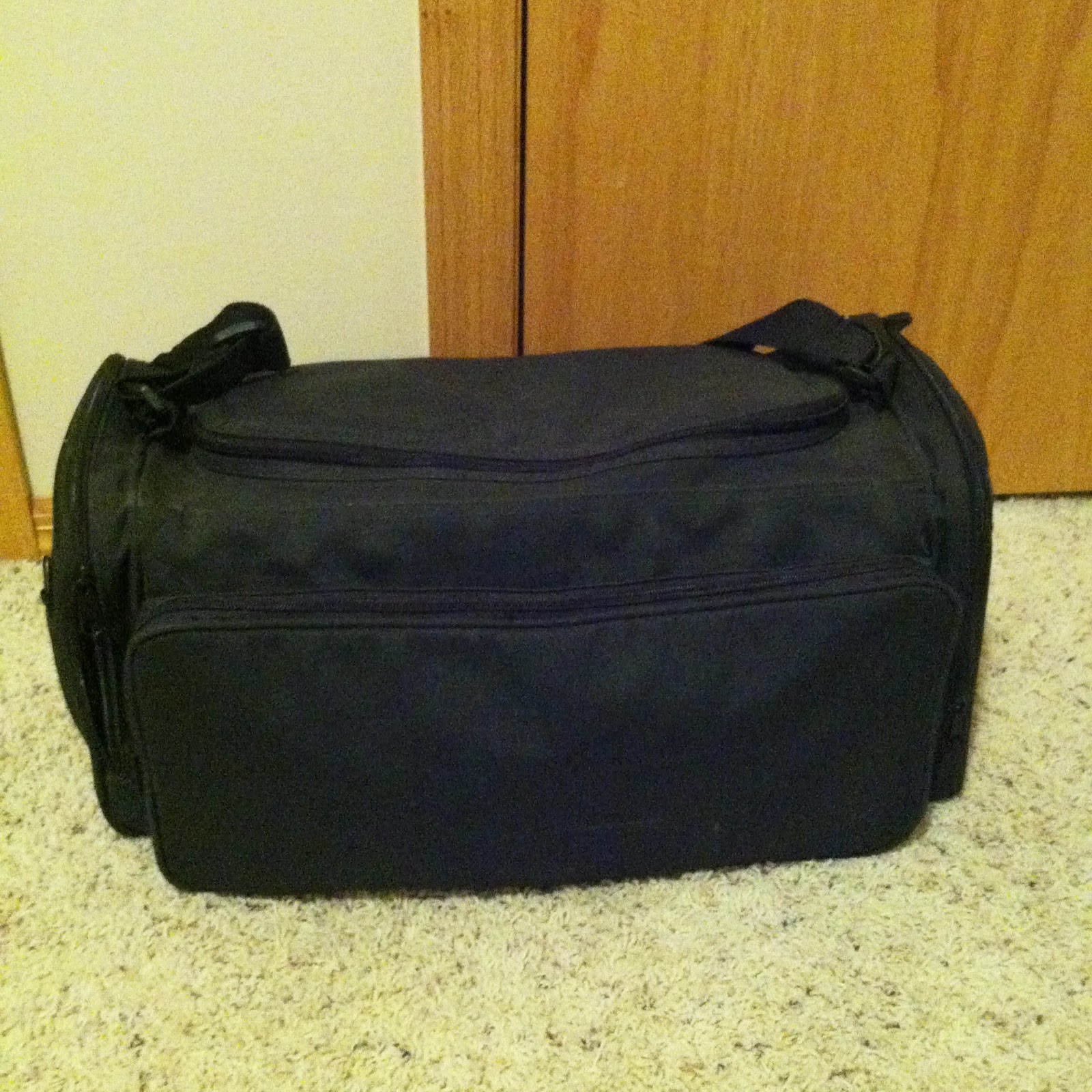
First off, my bag. I found this old bag in my garage when I was moving and it's perfect! It's an old Panasonic VHS Camcorder bag. It holds everything I need and is easy to handle. 
                                                    

Next is my film slr setup. I shoot on the Minolta Maxxum Platform with a Maxxum GT and a 5000i both sharing an AF 35-80 macro lense. The GT was my fathers and was only sold in Target Department stores. It's a nice little slr to have around and takes great images. It has minimal settings, however, for the work that I do, I'm usually in good natural light so there aren't a lot of issues. I just recently picked up the 5000i and haven't yet gotten to test it out. From what I've seen the camera looks in great condition and I'm very excited to use it. Lastly the lens. The 35-80 is a great portrait lens because it has pretty shallow depth of field. I love using this lens although most of the time I end up shooting in manual.


Up next is my Polaroid Colorpack II. I picked up this camera online and it really was a shot in the dark. If you don't know much about Polaroid Pack cameras, Polaroid stopped making the peel apart 100 type film a long time ago BUT Fujifilm still makes Color (FP-100C) and Black & White (FP-3000b or FP100B) that fits in most Polaroid pack cameras. I like bringing this camera on a shoot because it's a conversation starter and it also takes some pretty
 good images. Shooting with the black & white is easier because it has a fixed focal length of 5 ft, while the color takes some practice because you have to focus the camera your self. Also for shooting inside, you either need photography lights or flash cubes (pictured below).


Up next might be a camera you're familiar with. I found a bunch of disposable cameras at Goodwill for very cheap, I use them to take a "silly" portrait of who ever I'm shooting. This is just a way for me to keep track of when I shoot and also have a fun way to end a shoot. 


Lastly is my assortment of other things in my bag. I always have my portable reflector since I don't normally use flash. It's compact and easy to work with. I also bring my nook to portrait shoots. I have a bunch of different pose books on there that really help me out when my imagination is running dry. To keep warm I always have a hat, gloves and hand warmers in my bag. Shooting on those cold winter days can be rough without these. One other vital thing is my lens cleaning kit. This little bag has saved me many times for shooting with a dirty lens. 

_______________________________________________________________________________
Thank you for reading! We look forward to having you back next week for our next Film DIY project.
As always, keep shooting.
#filmisnotdead , #shootfilm


Copyright 2013
Analog Revival

Sunday, February 10, 2013

February 2013

Tuck Chaylor:                 


It's the feeling i get when i see/hear it...
                                          By Jacob Stordahl
---------------------------------------------------------------

Side note from Analog Revival: 

Be safe in the storm everyone! Enjoy a little reading while you're stuck inside.

---------------------------------------------------------------

                   Some may look at Tuck's work and think, "That's too risque" or "It's too exposed", but there is a very artistic meaning behind his work. Although the presence of nude photographs is there, it is not the focus, nor the only type of work Tuck does (see our top ten below for examples). The meaning behind these shots, and his others as well, is to display beauty in its most natural state. Tuck's work is effortless and simple all tied together with a sense of elegance and beauty. The display of the female body in its natural state, is to show the beauty that we all inherit as human beings. Tuck chooses to display all things with a beautiful and natural display.


---------------------------------------------------------------------------------------------------------------------------------

     We interviewed Tuck about his work and opinions about film, here are his reply's...

 Q: What was your first film camera?

 A:I'm sure I had quite a few different film cameras as a child, but the firstfilm camera i purchased for myself would be my Diana F+.  It's a fun little camera.


Q:When did you start considering yourself a photographer?

 A:  I've only recently become comfortable andconfident in the work i produce.  I wouldsay about 6 months prior to this interview.


Q:What do you think are the advantages of film?

 A:  To me there's something about film you can'tget from a digital camera.  It's kind oflike comparing vinyl records to mp3s. They both are amazing in their own way, but there's something aboutanalog that I just moves me.  It's thefeeling i get when i see/hear it.  Plus ithink it takes a bit more skill to create unique and artistic photos on filmversus the digital stuff you can do in photoshop.


Q:Why do you choose to shoot mainly portraits?

 A:I'm not really a very social person.  Idon't do well in big crowds and I don't have a lot of friends, but I stillcrave that connection with people. Shooting portraits gives me a 2 to 3 hour window to connect one on onewith another person.  I like that.  I need that in my life. 


Q:What is the reason and argument behind (what some might consider) risquéportraits?

 A:haha. I live in a small town where there's a church on just about every streetcorner.  A lot of people around here arereally negative when it comes to nudity. I've actually had someone call my work pornography.  I'm just really inspired by the femaleform.  I'm very much influenced bymemories.  I remember once waking up nextto this girl and the sun was coming through the window and highlighting her exposedskin.  The sun traced every curve in away that was so beautiful to me.  I tryreally hard to capture that feeling in my photographs. I think seeing skin isvery important to getting that feeling. I don't think that nudity or sexuality is anything to be ashamed of.


Q:If you could only shoot with one of your film cameras for the rest of yourlife, which would you pick?

 A:Hands down, My Olympus OM-10.  My batterylife last forever, my negatives/photos will outlive me, and It takes the mosthonest photos.  An amazing photographerby the name of Coach Moon (http://coachmoon.tumblr.com) influenced my decisionto purchase this camera and buy the manual adapter for it.  Coach has inspired me more than any otherphotographer out there. 


Q:Do you have a favorite brand of film?

 A:Not really... haha I'm not too picky about what brand of film i shootwith.  I love Impossible Project PX 600Silver Shade Black Frame, Fuji Instax mini & wide, Lomography's Lady Grey,and as far as 35mm film, I'm not too picky. I buy a lot of expired film (it's cheap and can be unpredictable sometimes)


Q:What are the pros and cons of film?

 A:Pros:  there's honesty in film,  It's raw, and as i mentioned before thenegatives will be around after my life expires and that it has a different feelto it.

Cons:  unless you're shooting instant, there's alittle bit of waiting time between taking the shot and seeing the shot andevery shot cost you a little money.


Q:How about the pros and cons of digital?

 A:Pros: Instant gratification. It gives you the chance to see if your photos areexactly the way you want them. Endless possibilities in photoshop.

Cons:I'm not sure if there are any real cons to digital.  I guess the one thing i don't like aboutdigital is the fact that damn near anyone can pick up a digital camera, put itin auto, and take a good photo without knowing anything about their camera.


Q:Are there any tips you would like to give to anyone starting in photography?

 A:I think that if you're wanting to get into photography then you should learnabout your camera, learn about proper lighting, and good composition and afteryou learn all the "rules" to photography take and throw that shitaway and just shoot.  Have fun withit.  Just don't be afraid to makemistakes.  Take photos that make youhappy.

"here'sto all the artists who know their work is just a drop in the ocean, but do itanyway"  P.O.S.

Iwould like to add that I'm not a purist by any means.  I love film and I love digital. I shoot a lotof digital and instant film simply because I like instant gratification. 

----------------------------------------------------------------------------------------------------------------------------------

     Also, here is a list of his film equipment he uses...

Canon T1i 


OlympusOM-10


MamiyaC3


FujiInstax mini


Sigma17-70mm 2.8-4.5


Olympuszuiko 50mm 1.4


adapter to fit my olympus lens on my canon


Here are our top ten photos from Tuck


Check out Tuck's sites and give him some love

Tumblr                           Society 6
 Thanks for reading this month's interview. See you next month.
As always, get out and shoot.